Start with your learning goal
Some learners are new to beauty work; others want to add waxing to an existing service or solve a problem in their current technique. First consider your experience, whether you plan to work with clients, the body areas you want to learn and your concerns about technique, hygiene or communication.
A useful course addresses what you need to learn now, rather than simply offering the longest list of topics.
Can complete beginners learn?
Yes. Start with hair, skin, products and hygiene before moving into practical work. Waxing involves assessing skin and hair length, checking suitability, controlling temperature and direction, supporting the skin, managing force and explaining aftercare.
Understanding these principles helps you adapt when different clients and situations arise.
Three learning directions
Foundation training
For first-time learners: hair and skin basics, products, temperature, hygiene, basic handling and live-model practice.
Comprehensive business training
For learners preparing to offer waxing professionally: work across body areas, intimate services, privacy, consultation, communication, aftercare and a complete client-service process.
Focused advanced practice
For existing practitioners: review current technique and work on a particular area, rhythm, skin support, force, timing or client comfort.
Hygiene belongs in practical training
A course should cover single-use supplies, no double dipping, cleaning the work area and the differences between cleaning, disinfection and sterilisation. Waxing involves direct skin contact, and the workflow must account for possible contact with small amounts of blood or body fluids.
Read our hygiene and sterilisation guide.
Why live-model practice matters
Understanding a demonstration is different from performing the technique. Real models bring different hair directions, skin elasticity, body positions and sensitivities.
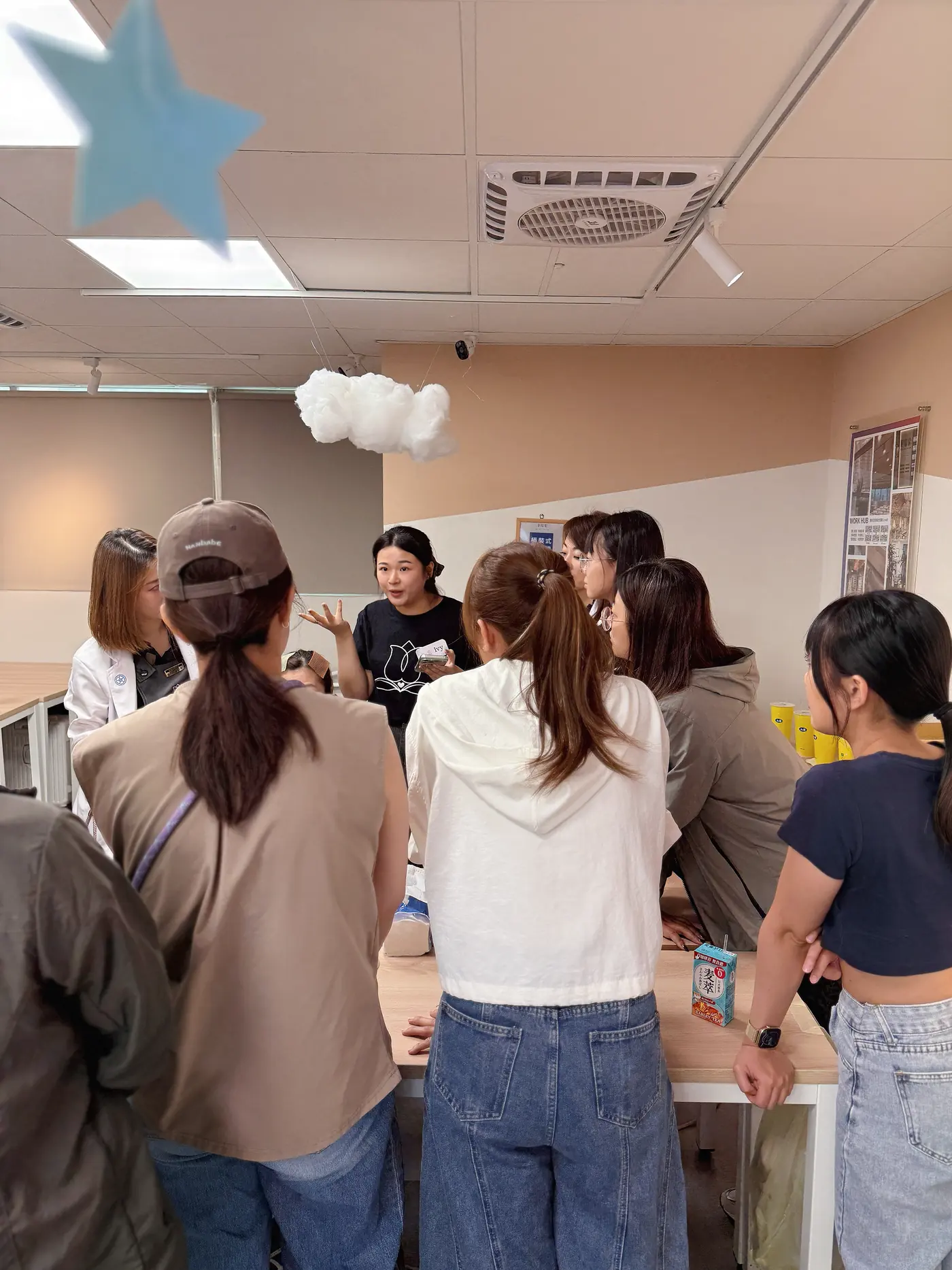
Mimi’s teaching is one-to-one, with substantial learner practice. Ivy observes positioning, wax direction, skin support, force and removal, then demonstrates adjustments when needed.
Choosing an educator
Alongside credentials and the curriculum, ask whether the educator still works with clients. Current experience brings real skin responses, communication issues and service decisions into class.
Ivy has provided more than 10,000 waxing service visits, holds Taiwan’s national Class C Beauty Technician certificate, is a VLB-certified brand training instructor and serves as an HEA waxing examination instructor and judge. Teaching focuses on knowing why each action is taken.
Support after class
Completing a course establishes a foundation; stable technique also needs practice and feedback. Monthly refresher sessions can be arranged during the six months after completing Mimi’s course.
Separate HEA certification preparation is available according to your progress and plans. You do not need to decide every future step before your first enrolment.
If you want a broader beauty foundation, Taiwan also offers national beauty technician skills tests. The Class C Beauty Technician certificate is a national certification; test schedules and rules are published by the Skills Evaluation Center of the Ministry of Labor’s Workforce Development Agency. Ivy holds this certificate herself.
Questions before enrolling
Can I work with clients immediately after class?
Readiness depends on practice, consistency and judgement. Continue practical work and refresher sessions rather than rushing into client services.
Can I improve just one area?
Yes. Tell Ivy where you are getting stuck so focused training can be discussed.
How do I choose a course?
Share your experience, goals and whether you want comprehensive training or a specific technique. Discuss the learning sequence with Ivy on LINE.
Still have a question?
Tell Ivy what you are considering and how your skin feels. This is general service and care information; individual medical concerns need appropriate clinical advice.
Enquire on LINEViews on this article: